How startups can use photorealistic 3D packaging to validate demand, build a Shopify pre-order experience, and prepare for production.
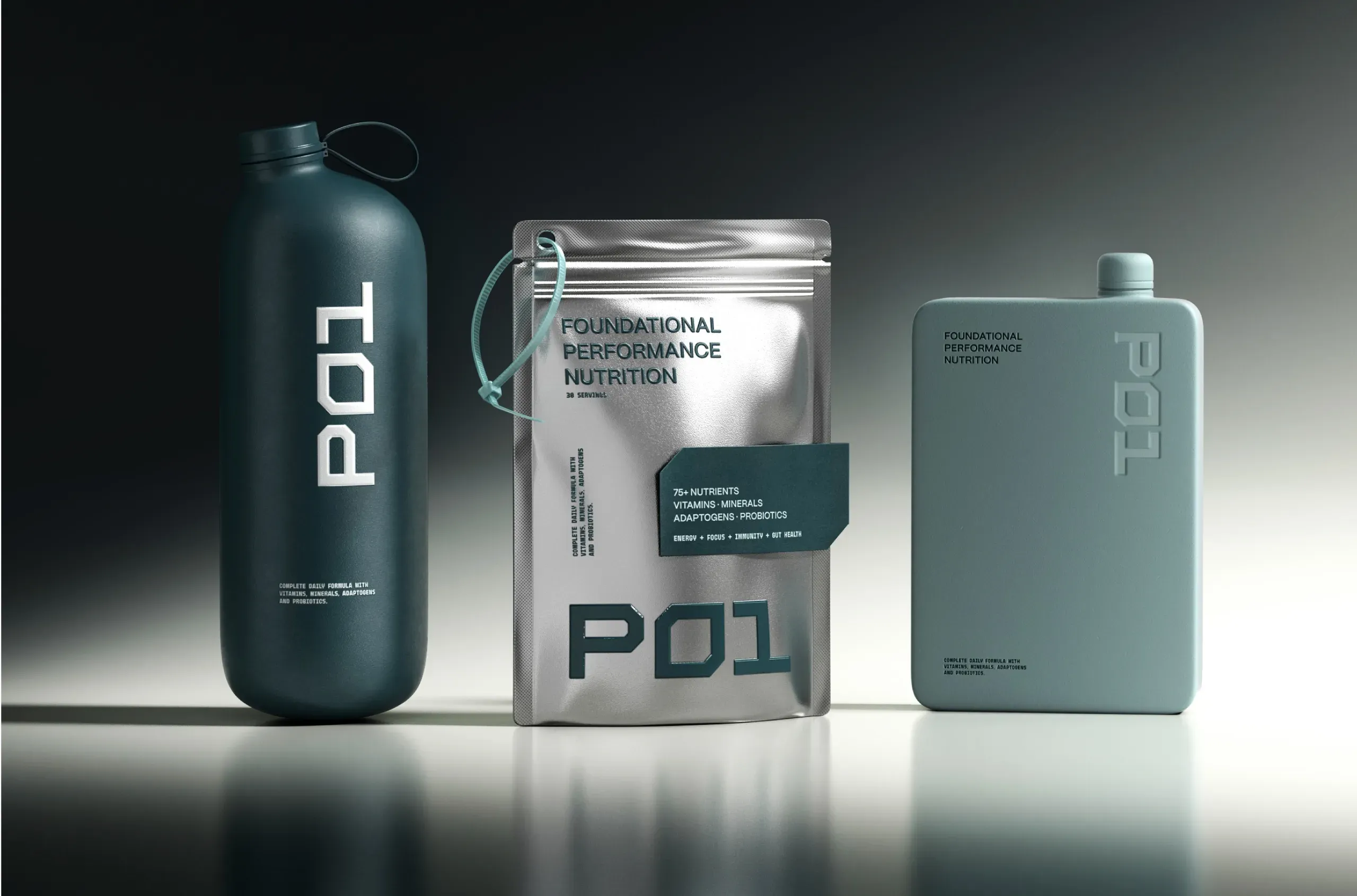
Most product launches wait for a physical sample before they begin telling the story. That can leave months of valuable learning on the table.
With a strong product concept, clear production plan, and photorealistic 3D packaging, startups can build a credible Shopify pre-order experience before factory production is complete. The benefit is not simply getting an attractive image sooner. It is creating a controlled way to test demand, sharpen the offer, and turn early attention into useful business signals.
The operative word is credible. A pre-order page must make the product feel real without pretending that it has already shipped.
Why pre-orders matter before the factory run
Production decisions are expensive because they lock in quantities, packaging, cash, and time. A pre-order window gives a young brand a way to learn before those decisions become irreversible.
It can help you answer questions such as:
- Which product benefit earns the strongest response?
- Does a bundle convert better than a single unit?
- Which package format feels most valuable to customers?
- Is the price understandable in the context of the category?
- Which audience or channel is actually ready to buy?
Pre-orders are not a substitute for product-market fit. They are a practical instrument for measuring whether interest turns into commitment. Used carefully, they also create momentum: an email audience to nurture, customer language to reuse, and a launch list that makes the factory run less of a blind bet.
The role of 3D packaging in making the offer tangible
Words alone rarely make a new product feel ownable. People want to see the object: its shape, scale, color, finish, label, and place in their everyday life.
High-quality 3D packaging renders make that possible long before cartons arrive. Starting from a design system, dieline, dimensions, and material intent, a creative team can build visuals that show the product from every useful angle: clean ecommerce shots, shelf-ready groupings, close-ups of the label, campaign scenes, bundles, and social crops. Glowie is one example from the web and digital design case studies: its store runs on Shopify, and the 3D product models MarkaWorks made are used both on the site and as source material for content.
Because the product is digital, the visuals remain flexible. You can test a different product name, refine a flavor callout, create a limited-edition colorway, or make a version for a new market without rebuilding a set or waiting for new samples.
That speed is strategic. It lets the product, packaging, and checkout story evolve together before the production order is finalized.
Build a pre-order page around certainty
A beautiful render gets attention. The page must then answer the questions that determine whether a customer is comfortable placing an order.
Make these elements unmissable:
- A precise product promise. Lead with the outcome, not a vague category description.
- Realistic visuals. Show the front, back, scale, pack count, and relevant details. Do not use imagery that implies a feature the product will not have.
- Transparent timing. State that the product is a pre-order and give the clearest delivery estimate you can responsibly provide.
- The reason to buy now. Early access, a launch price, a limited first run, or a bonus can work, provided it is genuine.
- Risk-reducing answers. Explain payment, cancellation or refund terms, updates, shipping regions, and what happens if the expected timeline changes.
Clarity is especially important when the product is not yet in a customer’s hand. It is how a new brand earns trust before it has a long trail of reviews.
Use the visual system to test the offer, not just decorate it
3D renders make experimentation cheaper, but only if you give the experimentation a purpose. Set a small number of meaningful tests: one product proposition against another, a single pack versus a bundle, a benefit-led page versus an ingredient-led page, or two packaging emphasis directions.
Keep the rest of the page stable so you can learn from the result. If the offer, price, imagery, headline, and audience all change at once, you may get activity without understanding what caused it.
Pay attention to the full path, not just clicks. High ad engagement with weak add-to-cart behavior may suggest that the imagery is attractive but the value proposition is unclear. Strong add-to-cart behavior with low checkout completion may point to price, timing, or customer trust. The purpose of the pre-order is insight as much as revenue.
Protect the relationship with honest communication
Never use a pre-order to hide uncertainty. Customers can accept a future delivery date when the brand communicates with confidence and candor. They will not accept being surprised.
Build an update rhythm before the launch: order confirmation, production milestone, shipping notice, and a clear channel for questions. If timelines change, say so early and plainly. The first buyers are not just transactions; they are the people most willing to take a chance on the brand. Treat them like founding customers.
From concept to cash-flow signal
The power of 3D packaging is that it turns a future product into a present-day conversation. It gives founders a persuasive way to validate demand, gives customers something tangible to respond to, and gives the brand a polished launch surface before inventory exists.
MarkaWorks combines packaging strategy, visual identity, and hyper-realistic 3D visualization to help products arrive with a story worth pre-ordering, not simply a box waiting to be made.
Planning a pre-order launch before production is complete? Start a project with MarkaWorks.
More brands we brought to life: