The buyer of a gift set is often not the person who will use it. What the closed box has to say, how the products are chosen and ordered, and how a seasonal set can return next year.
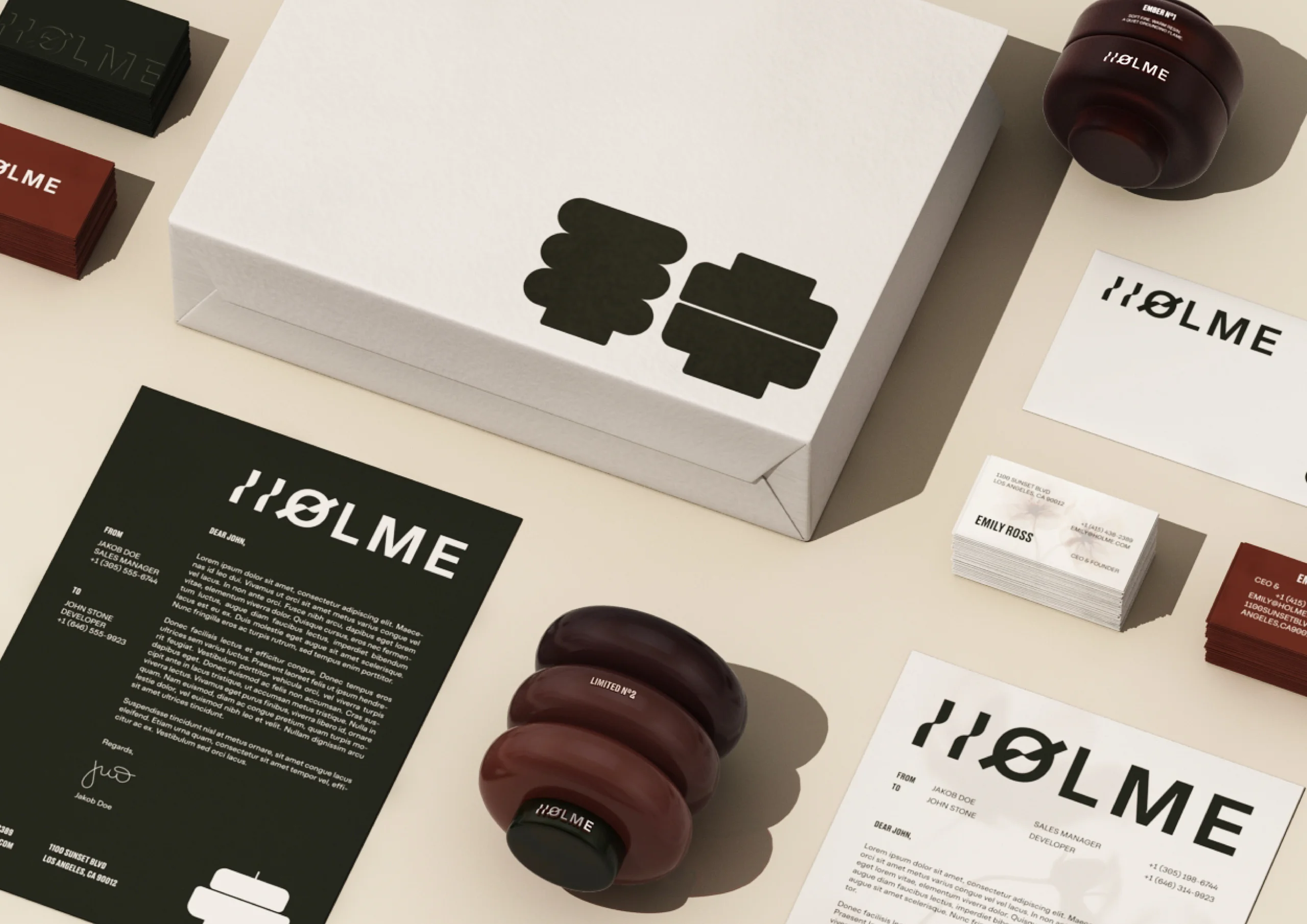
Design the gift set as 1 product with its own outside. The closed box has to tell a buyer who may never use the contents what is inside, how many items there are and who it suits. Leave the existing packs unchanged, hold them in a tray, and print seasonal artwork on a sleeve or band so the box can return for a 2nd year.
Who buys a gift set, and what must the closed box tell them?
A single product is usually bought by the person who will use it. A gift set is different. The buyer is often choosing for someone else, may never have tried the brand, and decides in a shop aisle or on a product page without opening anything. The recipient meets the brand later, with the box already in their hands.
So the set has 2 audiences. The outside of the box works for the buyer and the inside works for the recipient.
The closed box has to answer 4 questions without help from a shop assistant:
- What is in it, in plain words?
- How many items are there, and how big are they?
- Who is it for?
- Which brand is it?
Start with the contents line. A buyer who does not know the range cannot decode product names, so name the type of product next to each one, such as a shampoo, a conditioner and a hair oil, with the size of each.
The front then needs only the brand, the name of the set and that line. Directions, ingredients and addresses go on the back or the base. If the range has no written rules yet for logo position, type and colour, set them first; our guide to a packaging system that can grow explains how.
Which products go in the set, and in what order?
The contents are a design decision as much as a commercial one. Sets that are easy to describe usually follow 1 of 3 ideas:
- A routine. The products are used together, in sequence.
- A sampler. Several variants of one product.
- An introduction. The best known product in the range with 1 or 2 companions.
Pick one idea and name the set after it. A box that mixes all 3 is hard to sum up in a single contents line.
Order matters once the box is open. Lay a routine out in the order of use, left to right, and number the steps on the tray or on a card. Lay a sampler out by strength, roast or colour, so the recipient can see the logic of the row. How many variants a range starts with is covered in how many products to launch with. Put the item most people know where the eye lands first.
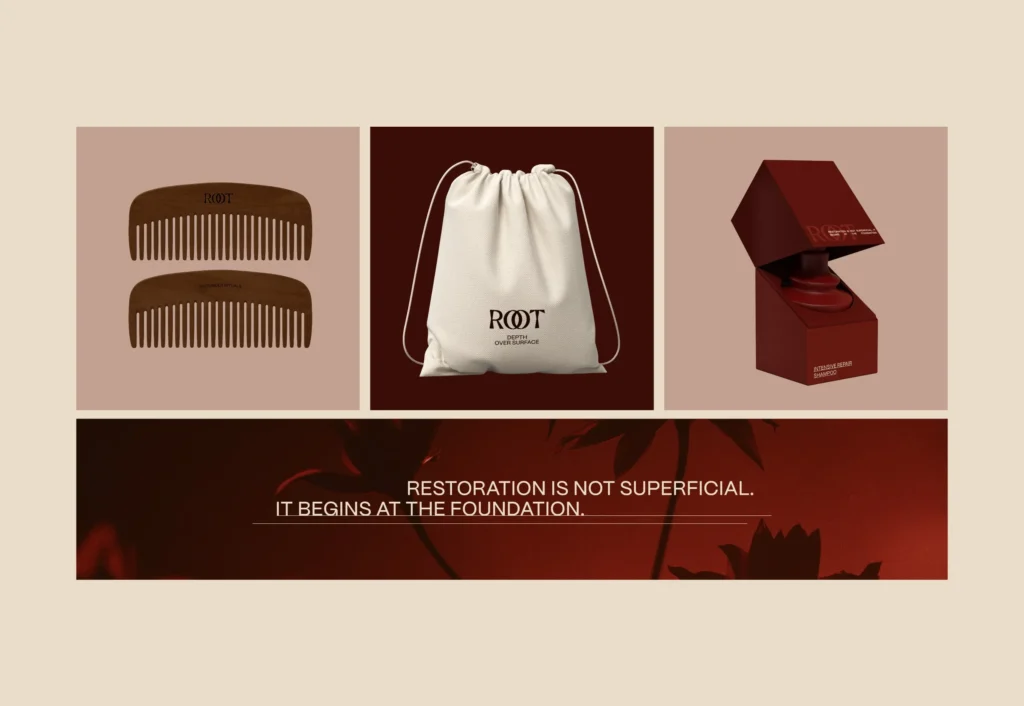
The packs also have to look related when they sit side by side. The ROOT case study describes a range in which “Each silhouette is distinctive while remaining part of the same family”, so that each product can be recognised individually without breaking the system.
Check sizes early. 3 containers of different heights need a tray that holds each one at the right depth, and the tallest sets the depth of the box.
Box, tray, window or sleeve?
A set structure is made of 4 parts, and each one is a separate decision.
- The outer box. A folding carton is light and ships flat. A rigid box feels more like a present and is often kept, but it uses more board and more storage space.
- The tray. It holds each item in place, sets the order and stops the packs rubbing in transit. Card, moulded pulp and formed plastic are the usual options. Ask the supplier how each one is recycled in the markets you sell in.
- The window. It shows the real products, which helps a buyer who does not know the brand. It also adds a second material and exposes the packs to light and dust.
- The sleeve or band. A printed sleeve slides over a plain box, and a band wraps around it. Either can carry the name of the set, the season and the barcode while the box stays neutral.
Decide where the set will be sold before choosing. On a shop shelf it needs a front that faces the buyer and a box that survives handling. Sent by post, it has to fit a shipping carton and arrive with every item still in its recess; our comparison of e-commerce and retail packaging goes through those differences.
The table below compares 5 common structures.
| Set structure | When it fits | What to watch in the design |
|---|---|---|
| Folding carton with a card tray | Sets made in volume, posted or stacked on a shelf | The carton front does the selling, so plan the contents line and a picture of the items |
| Rigid box with a lid | Sets meant to be kept, often with 3 or more items | More board and storage space; keep the box undated so it can take a new sleeve |
| Carton with a window | Buyers who do not know the range and need to see the real packs | Packs must face forward in the tray; the window adds a second material |
| Printed sleeve over a plain box | Seasonal or limited sets that return each year | Set name, occasion, contents line and barcode go on the sleeve; the box carries only the brand |
| Band around the existing packs | 2 or 3 items that already stack or sit side by side | The band must leave mandatory text readable and hold through shipping |
How do you build a set without changing the existing packs?
In most set projects the products inside are already on sale, with printed labels, approved text and stock in a warehouse. The practical rule is to leave them alone. A special label for the set version means a second artwork and a second print run, and the relabelled stock is harder to sell singly once the season is over.
Leaving the packs unchanged puts the design work in 3 places: the outside of the box, the tray and one printed piece inside. The inside piece is usually a card. It can explain the order of use and point to the rest of the range.
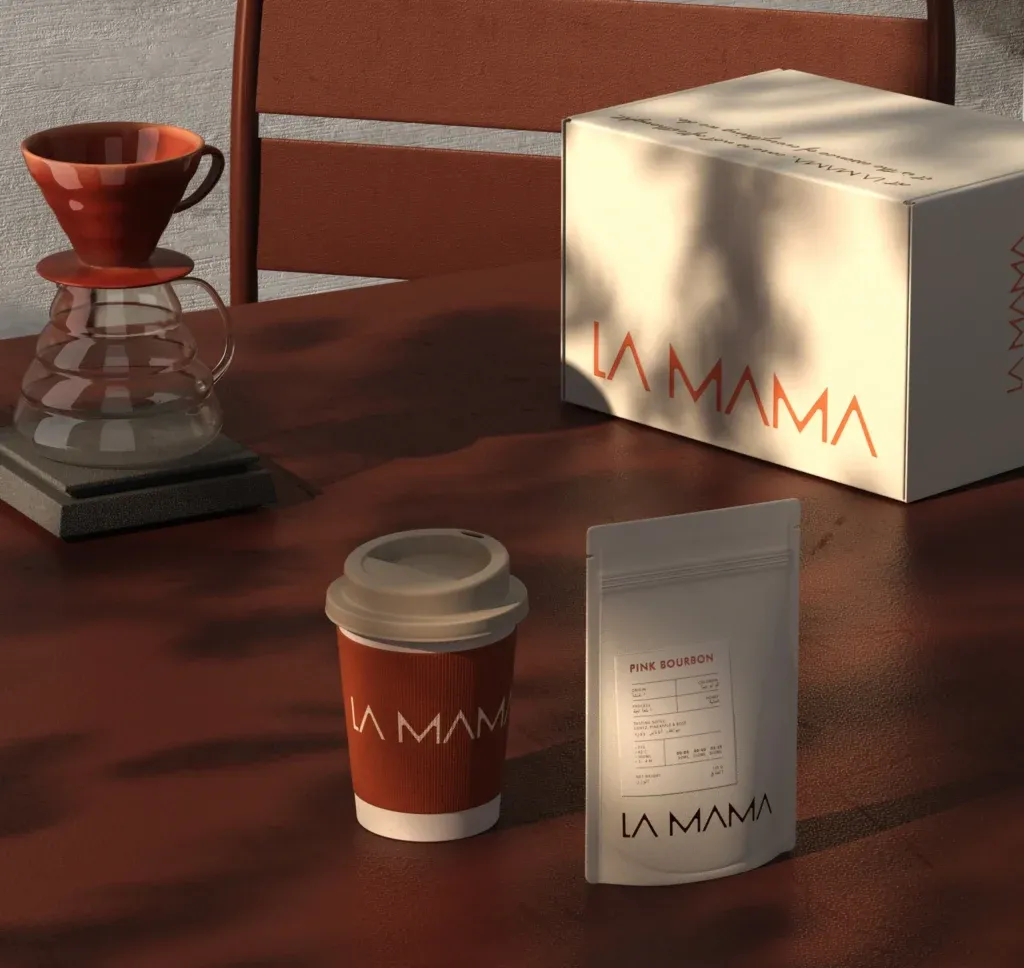
It helps when the range is calm enough for its packs to sit together. The La Mama case study describes its layout this way: “Nothing competes for attention; every element has a reason to be where it is.” When a range is louder, with a different colour for every variant, give the box and the tray a single neutral colour from the brand palette and let the packs supply the variety.
Measure the real packs, including caps and pumps, and ask the box supplier for a drawing before the artwork starts. Our guide to adding new products without losing brand consistency covers the rules that keep a new item, a set included, inside the system.
Does the set need its own label and barcode?
The set is sold as one item, and its box is packaging in its own right. What that box must carry depends on the category and the market, so here is one worked case: cosmetics in Great Britain.
Article 19 of Regulation (EC) No 1223/2009, in the version that applies in Great Britain, requires a list of information on the container and the packaging “in indelible, easily legible and visible lettering”. The GOV.UK guidance for Great Britain says of the responsible person’s name and address: “The information must be given on both the container and the outer packaging.” It says the same of the durability date, the precautions and the batch code.
Neither text mentions gift sets by name. If the set box is the outer packaging the buyer sees, plan a back or base panel large enough for each product’s information, and have your responsible person or regulatory adviser confirm what has to be repeated there.
Article 19 also covers packs sold as a number of items: where weight or volume is not significant, “the content need not be given provided the number of items appears on the packaging”. For food, drink and other markets, check with your adviser.
For the barcode, confirm with GS1 whether the set needs a number of its own. The GS1 GTIN Management Standard lists 10 rules, and rule 9 is titled Predefined assortment. Our guide to barcode colours and size covers the printing side.
How much packaging is too much?
A gift set adds packaging by definition: a box, a tray and sometimes a window around packs that were already complete. In the United Kingdom that addition meets a legal limit.
Schedule 1 of the Packaging (Essential Requirements) Regulations 2015 says: “Packaging must be so manufactured that the packaging volume and weight is limited to the minimum adequate amount to maintain the necessary level of safety, hygiene and acceptance for the packed product and for the consumer.” The same schedule says packaging must be designed, produced and commercialised “in such a way as to permit its reuse or recovery, including recycling”.
The schedule states no percentage and no maximum empty space, so there is no number to design to. What it gives is a question to ask of each part: is it needed for safety, hygiene or acceptance? Acceptance leaves room for a set to look like a gift.
That gives 3 working checks:
- Size the box from the packed tray outward, with no false base to make it taller.
- Use 1 material for the box and the tray where the products allow it.
- Keep environmental wording on the box to what you can support; our guide to green claims by market explains why.
We read the schedule in its original 2015 version. For later amendments, and for markets outside the United Kingdom, check with your adviser.
How can a seasonal set come back next year?
Most gift sets are seasonal, and a season ends on a fixed date. A box printed with a year, a holiday motif or a one-off message cannot be sold once that date has passed. The answer is to separate what is permanent from what is seasonal.
Print the permanent part on the box: the brand and nothing that dates it. Print the seasonal part on a sleeve or a band: the name of the set, the occasion, the contents line and the barcode. Next year the same box takes a new sleeve.
2 details make this work:
- Keep the year off the box and off the tray. If a year is needed, it goes on the sleeve.
- Put the contents line and the set barcode on the sleeve, since both change when the contents change.
A band has a second use. 2 or 3 existing packs held together by a printed band make a set with no box at all, which is the lightest structure in the table above. The band has to leave the mandatory text on each pack readable, and it has to hold through shipping. Test both with real packs before the print run; our article on testing packaging before launch lists the other checks worth running.
Gift set projects: what you get from us
MarkaWorks designs a gift set as part of the range it comes from. The range already has its fixed elements and its rules for variants, and a set is one more application of those rules.
The work starts with structure. In our packaging and product design projects we settle how the pack is built and produced before the artwork. For a set, that means the box, the tray and the sleeve or band.
A gift set project with us covers 5 things:
- The set structure, chosen for where the set will be sold and for the packs it has to hold.
- The outside of the box, with the contents line and a planned panel for mandatory information. Your responsible person or regulatory adviser confirms the wording; we design the layout.
- The tray layout and the card inside.
- A sleeve or band that can be redrawn each season.
- Print-ready artwork on the dieline from the partner who makes the box, and the working files.
Our project pages list 20 coffee and tea case studies and 15 in cosmetics and skincare.
If you are planning a gift set, our team can build it with you. Tell us which products go in the set and where it will be sold, and we will show you how we would build it.
Questions brand owners ask about gift set packaging
Does a gift set need its own barcode?
Confirm it with GS1 before the artwork is final. The GS1 GTIN Management Standard lists 10 rules, including one titled Predefined assortment and one titled Time critical or promotional product. Plan space for a barcode on the sleeve or the base of the box so the answer does not change the design.
Do the products inside a gift set need new labels?
Usually not. Leave the existing packs as they are and put the set design on the box, the tray and a card. Unchanged packs can still be sold singly after the season, and the set needs 1 new group of artwork instead of a relabelled version of every product.
Is there a legal limit on how much packaging a gift set can use?
In the United Kingdom, Schedule 1 of the Packaging (Essential Requirements) Regulations 2015 limits packaging volume and weight to the minimum adequate amount for safety, hygiene and acceptance. It states no percentage. For other markets, check with your adviser.
How do you reuse a seasonal gift box the next year?
Keep the box free of dates and seasonal artwork, and print the set name, the occasion, the contents line and the barcode on a sleeve or band. The following year the same box takes a new sleeve, and only that piece is redrawn.
More brands we brought to life: