Choosing a packaging design agency comes down to 5 checks you can verify yourself: published ranges in your category, familiarity with the label rules your product falls under, production ready output, a process you can watch, and a scope that is written down. This guide turns each check into questions with checkable answers, down to the 8 point and 1/16 inch minimums taken from the FDA’s own labelling rules.
Published ranges in your category
Look at ranges, not at logos. A single attractive pack tells you someone can draw; a coherent range tells you they can build a system, and a system is what you are buying. Start with what the agency has published, not with what it lists as services. A case page with the packaging shown is evidence; a services list is a claim.
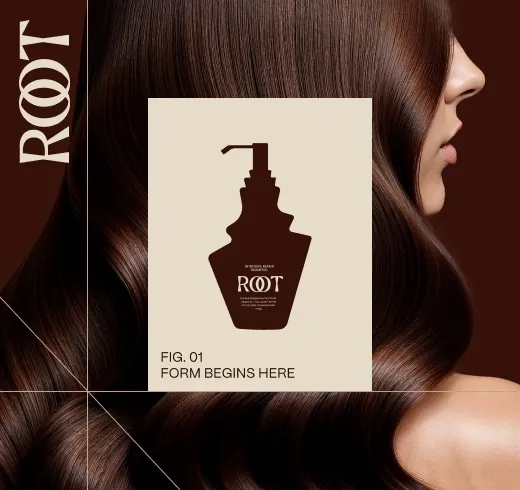
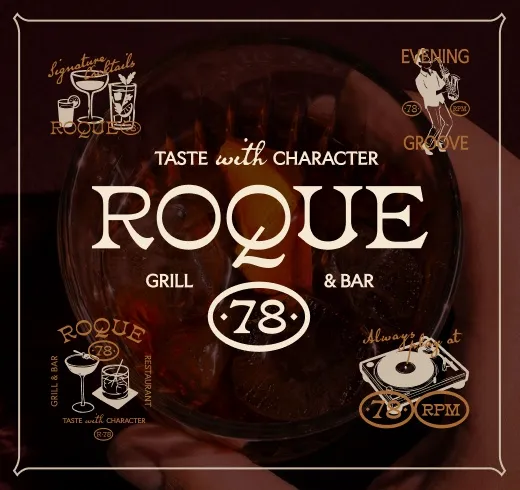
Three published MarkaWorks cases show what “a range” means on a page. The Birtz page describes “the vertical logotype” that “creates instant shelf recognition, while the color-coded system helps women navigate their specific needs effortlessly”. The Bulkform page describes a line of products “all carrying the same visual DNA but differentiated by color and product labeling”. The P01 page puts it in production terms: “Clean information hierarchy, controlled typography, and minimal visual noise allow the brand assets to carry the communication while maintaining a strong shelf presence.” In each case the question the page answers is how a buyer finds the right product inside the range, which is the question your own range will face.
Ask how a case was made, not what it looks like: which constraint shaped the decision, what was tried and rejected, and what the client had to change. Check whether the work has been produced, not merely rendered, because a design that has never met a print process has not been tested.
Familiarity with the label rules your product falls under
This is the check most selection guides skip, and it is the easiest one to verify because the rules are public and numeric. If your product is a dietary supplement sold in the US, the agency will be laying out a Supplement Facts panel under FDA rules. Those rules set the body text at “no smaller than 8 point” and “column headings and footnotes in type no smaller than 6 point”. Mandatory text on the pack has its own floor: “The letters must be at least one-sixteenth (1/16) inch in height based on the lower case letter “o””. A structure/function claim adds a deadline, in the guide’s words: “Notify FDA within 30 days of first marketing.”
If your market is the UK, mandatory food information is printed at an x-height “equal to or greater than 1,2 mm”. None of these are design opinions; they are the numbers the printer and the inspector will check, and the production floors that sit on top of them are in how small the type on your packaging can be.
Ask the agency which of these rules shaped their last label. An agency that has done the work answers with specifics: the point size they set, the panel that had to be widened, the claim that was rewritten. A designer’s regulatory awareness does not replace compliance review, but it decides how many rounds of rework your files go through after it.
Production output, not concepts
Packaging design ends in files a printer can use. Before you sign, get the deliverables list in writing and check that it covers dielines, print ready artwork and a named production review, not presentation images alone. On the MarkaWorks services page the packaging group lists structural design and dielines, print ready files and production support, and product mockups and 3D visualisation as separate items, and that is the level of detail a proposal should reach.
One question separates the proposals here. Ask where in the process the design is tested at its hardest condition, which is usually the smallest pack in the range, and whether the screen versions inherit from that or the other way round. The full account of what goes wrong when the order is reversed is in packaging that does not match your brand.
A process you can watch
You should be able to see the work at defined points along the way, not at the end. Ask where in the process you review the packaging in context, on the actual pack shape, and what happens when a market requirement forces a layout change late. Ask who will be in the room, and settle it before the first call: that question, with the other five worth asking before you sign, is in questions to ask a branding agency.
Scope in writing
A quote that names a price and a mood board has not named a scope. Five items belong in writing before you sign, in this order.
- The number of packaging formats included.
- The number of revision rounds, and what happens after them.
- The file formats delivered.
- Who owns the source files at the end, and when ownership transfers.
- What is out of scope, stated explicitly instead of by omission.
The last item on that list is the one most often assumed and least often written down.
| Check | What to ask | What a good answer contains |
|---|---|---|
| Published ranges | Which of your published projects has a range in my category, and can I open it? | Named case pages with several packs from one system |
| Label rules | Which label rules shaped your last packaging project? | Named rules with numbers, not “we work with your team” |
| Production output | What files do I receive, and who checks them before print? | Dielines, print ready artwork and a named review step |
| Process | Where do I see the pack in context, and who is in the room? | Fixed review points; the roles of brief, design and review named |
| Scope | What is inside the quoted price? | Formats, revisions, file types and source file ownership, in writing |
Choosing for a product brand
To choose a branding agency for a product brand, look at ranges rather than at logos. A single attractive pack tells you someone can draw; a coherent range tells you they can build a system, and a system is what you are buying. Ask how a case was made rather than what it looks like: which constraint shaped the decision, what was tried and rejected, and what the client had to change. Check whether the work has been made rather than only rendered, because a design that has never met a print process has not been tested. And check that the team can talk about your category without you having to explain it twice.
A new logo or better packaging
Some briefs arrive with the wrong diagnosis, and it is worth settling before you ask anyone for a price. If the mark holds up and the range still looks like several brands, the problem is the packaging system. Three checks settle it, and they are in new logo or better packaging, with the mismatch case in packaging that does not match your brand.
Consistency across countries, and a name that travels
If a second market is anywhere in your plan, ask which elements the agency fixes everywhere and which it allows to vary, and ask to see that written down. The parts nobody wrote down are the parts that drift.
The one-page fixed and variable list, the three substitutions that test a layout before it travels, and the name checks to run before you commit are all in keeping branding consistent across countries.
What packaging can and cannot prove
We cannot answer this with a number, and we would be careful with anyone who offers one. What we can say is what packaging demonstrably controls: whether a product is found on the shelf, whether it is understood once it is picked up, and whether it is recognised again next time. Those are the mechanisms sales run through. If you want an answer specific to your brand rather than to the category, the honest route is to measure it: change one thing, keep the rest constant, and read the result over a defined period. That is a slower answer than a statistic, and it is the only one that will be about you.
One of those mechanisms is measurable on its own: in the Ehrenberg-Bass study reported by Nielsen, “the average consumer spends 13 seconds purchasing a brand in-store”. Those seconds are what a pack competes for, and the method for reading the rest is set out in how to measure whether a rebrand worked.
Where to go from here
The questions to put to any agency before signing, including the ones about who does the design and who you will talk to, are collected in a separate guide, and the scope of an identity project, from the strategic frame to the guidelines document, is set out in another. The three cases above, Birtz, Bulkform and P01, are open on this site with the packaging shown.
MarkaWorks against its own five checks
MarkaWorks publishes its answers to these checks as case studies, with the packaging and the digital work shown, and lists structural design and dielines, print ready files and production support as separate deliverables on the services page. We put the scope items above in writing before your project starts, including who owns the source files. The packaging half of that work is on the packaging and product design page.
Five checks you can verify before hiring a packaging design agency: published ranges, named label rules, production files, a visible process and a written scope.
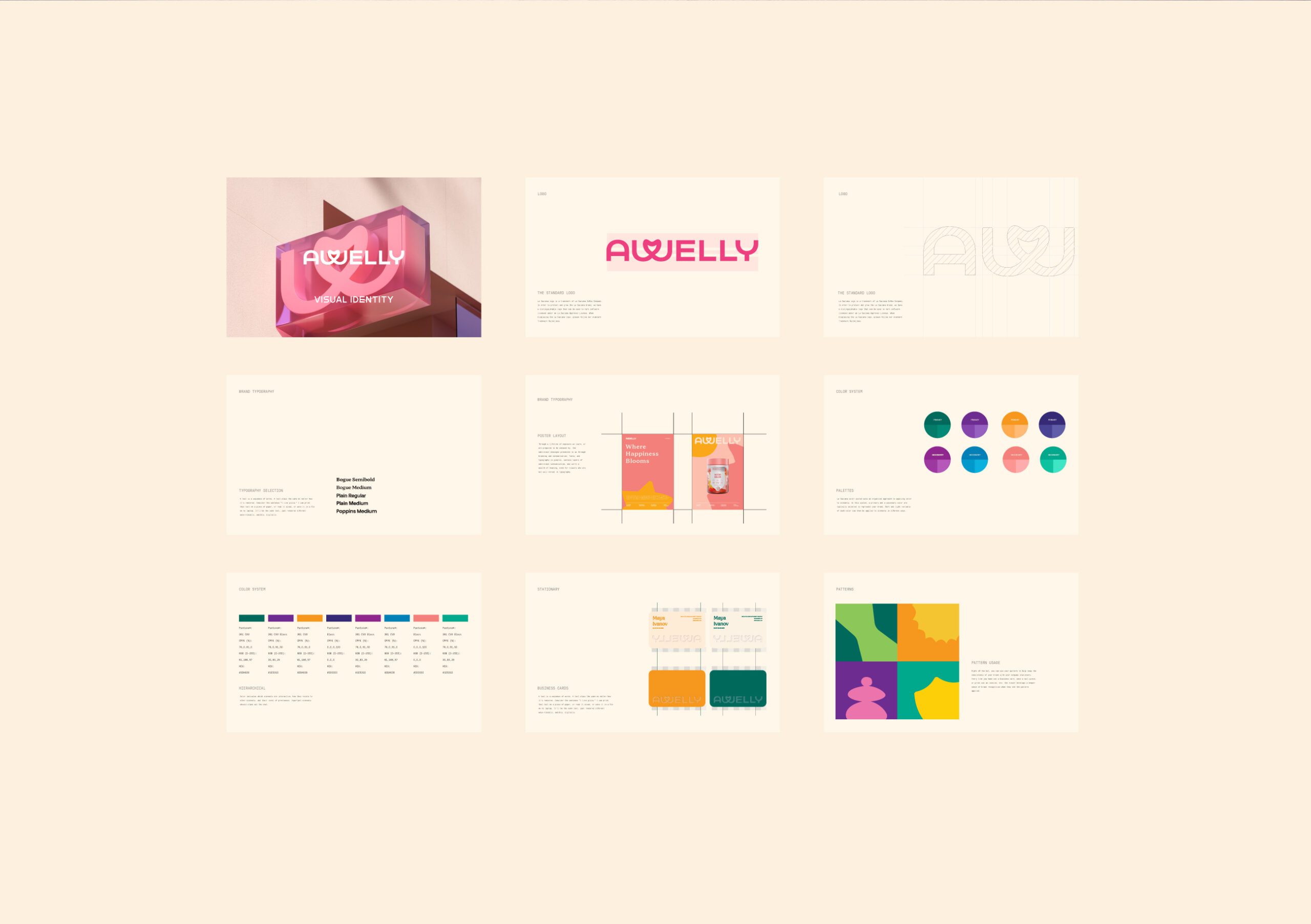
More brands we brought to life: