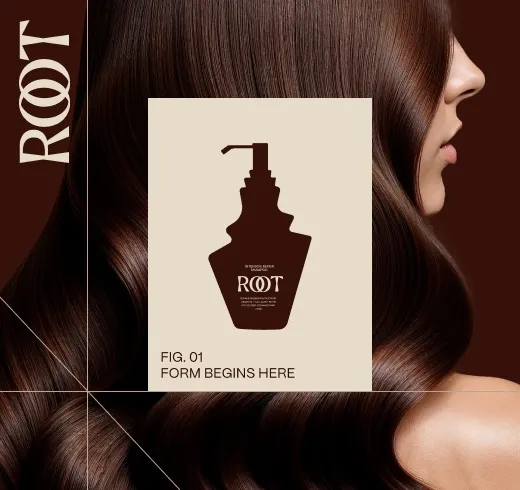
Hire a freelance designer when the launch needs 1 discipline, such as a pack for an identity you already have. Hire a branding agency when it needs several at once, such as strategy, naming, identity, packaging and a store. In both cases, get the ownership of the files and the name of the person doing the work in writing.
Start from the scope of the launch
The choice between a branding agency and a freelance designer is easier to make once the launch is written down as a list of work. A launch that needs a new pack for an identity the brand already has is a different job from one that needs a name, an identity, a range of packs and a store, all ready for the same date.
Both kinds of supplier do good work, and both can be the wrong choice for a particular launch. The useful questions are about the work, not the supplier: how many disciplines it needs, how many of them have to run at the same time, who will own the files at the end, and who you will be talking to while it happens.
This article goes through those 4 questions in order. MarkaWorks is a branding agency for product brands, so we say plainly where our own structure fits and where it does not.
What a product launch can ask for
A product launch can need some or all of these disciplines: positioning and strategy, naming, the visual identity, packaging structure and artwork, product visuals or 3D, and a website or store. Our services page lists them as separate areas because each one is a separate skill.
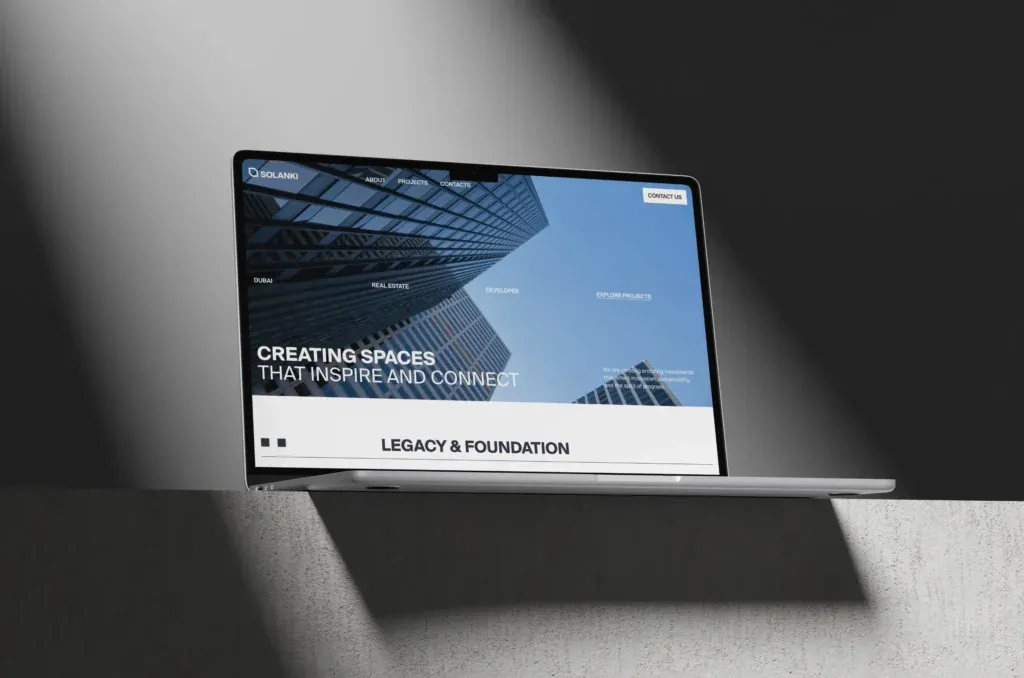
Write the launch as a list against those headings before asking anyone for a proposal. For each line, note whether the brand already has it, needs it new, or needs it changed. A brand with an existing identity and a single new product may have 1 line. A new brand going to retail and online in the same month may have all 6.
The list also shows what has to happen in sequence and what can run at the same time. Strategy and naming come before the identity, and the identity comes before the packaging artwork, but the store design and the 3D visuals can run alongside the packaging once the identity is set. The number of lines, and the number that overlap, is what decides the kind of supplier more than anything else.
If the strategy line is open, our guide to positioning a product brand sets out the 4 decisions that come before any design.
When a freelance designer is the right call
A freelance designer is a strong choice when the list is short and the brand already has its foundations. A new pack inside an existing identity, a label update, a set of social templates, or a single illustration style are all jobs where 1 skilled person, with a clear brief, can do the whole thing.
The advantages are direct. The person you brief is the person who does the work, so nothing is lost between a meeting and the design. The relationship is simple to set up and simple to continue for small, regular jobs.
The limits come from the same fact. 1 person has 1 set of skills and 1 calendar. A launch that needs naming, packaging structure and a store at once asks for several specialist skills in the same weeks, and a freelancer then either covers areas outside their own discipline or brings in other freelancers. When other people join, ask who they are, who contracts them, and how their files and rights reach you.
A freelancer is also the right call for a brand with an in-house design lead who needs extra hands on a defined task. In that case the system already exists, and the work is applying it.
When a branding agency is the right call
A branding agency fits when the list is long, when several disciplines have to run at the same time, or when the launch is the start of a range that will keep growing. The agency’s job is to hold the disciplines together so that the name, the identity, the packs and the store come out as one system.
Agencies are organised in different ways, so ask how this one is organised. Our brand strategy and visual identity page describes ours: “MarkaWorks is an agency, and the practical meaning of that, for a brand strategy and design agency, is a specialist per discipline: strategy, naming, identity, packaging, 3D and web are separate skills held by separate people.” It continues: “Each project draws on the specialists it needs, and all of them work in-house at MarkaWorks, so no part of the design work goes to outside contractors.”
That structure is useful when the work overlaps. The packaging page puts the result in 1 line: “the dieline, the production specification and the brand rules are handled by one team, whether the identity is yours or ours.” A launch with 6 open lines gets 1 brief, 1 schedule and 1 set of files that agree with each other.
An agency is less useful when the job is small and the foundations exist. A single pack inside a finished identity does not need a strategy stage, and a proposal that adds one should say why.
Ownership depends on who made the work
Who owns the design at the end depends on who created it and on what the contract says, and the rules differ by country. This article describes the rules; for a particular contract, ask a lawyer.
In the UK, section 11 of the Copyright, Designs and Patents Act 1988 sets the starting point: “The author of a work is the first owner of any copyright in it, subject to the following provisions.” For employees it says that where an artistic work “is made by an employee in the course of his employment, his employer is the first owner of any copyright in the work subject to any agreement to the contrary.” A freelance designer is not the client’s employee, so the rights only move to the brand by agreement, and section 90 sets the form: “An assignment of copyright is not effective unless it is in writing signed by or on behalf of the assignor.”
In the US, the definition in 17 U.S.C. 101 says a work made for hire is “a work prepared by an employee within the scope of his or her employment”, or a commissioned work in listed categories where “the parties expressly agree in a written instrument signed by them”. The Copyright Office’s Circular 30 explains the effect: “If a work is a work made for hire, the employer or the party that specially ordered or commissioned that work is the author of that work.”
For the choice in this article, the practical point is the chain. With a freelancer, the chain runs from that person to you, through the agreement you sign. With an agency, ask whether the work is made by its own staff or passed to outside contractors, because each person who made part of the work is a link the agency has to cover. Our guide to who owns the logo and the design files sets out the clauses to look for.
Who you talk to, and who does the work
With a freelancer, the person in the meeting and the person at the desk are the same. With an agency, they can be different people, and it is worth knowing which arrangement you are getting before the first meeting.
Our guide to the questions to ask a branding agency describes how this works at MarkaWorks: “at MarkaWorks the designers stay at the desk and a project lead with strong communication skills runs the conversation, so ask any agency how that split works.” The same guide adds: “Other agencies put the designer in the room instead. Neither split is wrong; what matters is that you know which one you are getting before the first meeting, and that all six answers arrive in writing.”
Whichever supplier you choose, ask for the names of the people who will do each part of the work, and ask what happens if 1 of them becomes unavailable during the launch. With a freelancer the honest answer may be a delay; with an agency it may be another specialist in the same discipline. Both answers are acceptable when you know them in advance.
Category knowledge and production files
2 more checks apply to either supplier, and both are about the shelf rather than the screen.
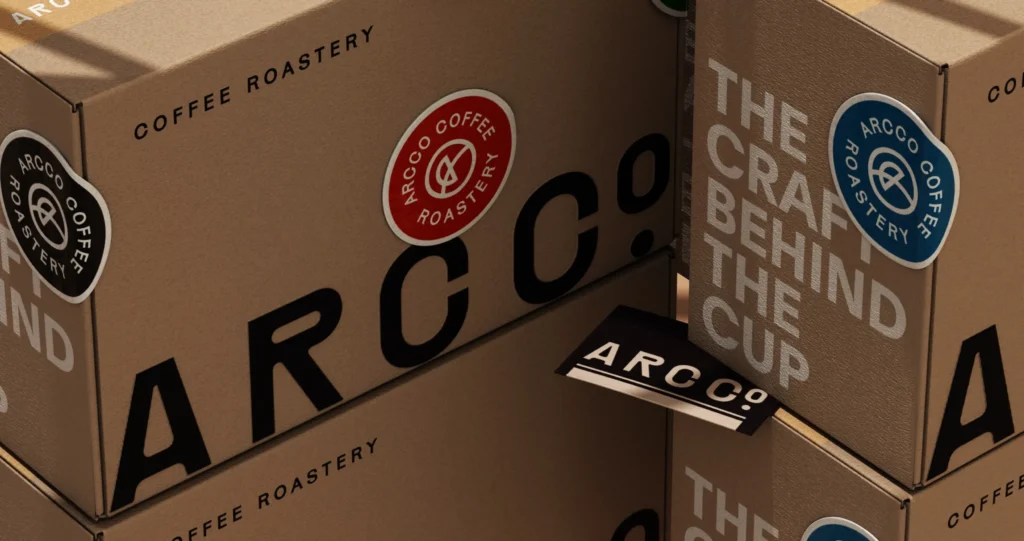
The first is the category. Food, supplements, cosmetics and pet food all carry label rules that shape the pack, and a designer who has worked in the category already knows where the required panels go. Our guide to building a pet food brand that owners trust is 1 example of how much of a pack the rules decide. Ask any supplier which rules shaped their last label in your category, and listen for named rules rather than general reassurance.
The second is the files. A launch ends in files that a printer, a 3D studio and a store developer have to work from. The MarkaWorks packaging page says: “We hand over the working files as well as the exports. A brand that changes agency later should not have to rebuild its own packaging from a flattened artwork.” Ask for the same from a freelancer: working files, dielines and print-ready artwork, named in the agreement, delivered at the end. The table after this section sets the 4 questions side by side.
| Question | Points to a freelance designer | Points to a branding agency |
|---|---|---|
| How many disciplines does the launch need? | 1, inside an existing identity | Several: strategy, naming, identity, packaging, 3D, web |
| How many run at the same time? | 1 task at a time | Packaging, 3D and store in the same weeks |
| Who owns the files at the end? | The designer, until a signed agreement transfers them | Depends on staff or contractors; ask for the chain in writing |
| Who do you talk to? | The person doing the work | A project lead or the designer; ask which |
| What happens if someone is unavailable? | Ask; the answer may be a delay | Ask; another specialist may take over |
How MarkaWorks fits this choice
MarkaWorks is a branding agency for product brands. Our structure fits launches with several open lines on the list: a new brand that needs strategy, naming, identity, packaging, 3D and a store together, or an existing brand starting a range that has to stay one family as it grows. Every discipline is held by an in-house specialist, so the work is not passed to outside contractors.
If your list has 1 line and the identity is already in place, a freelance designer may serve the launch well, and we would say so. If you are comparing proposals from several suppliers, our guide to comparing branding proposals beyond the price shows how to read the scope, the deliverables and the ownership terms side by side. To talk through your own list, start from our contact page.
Questions brand owners ask about agencies and freelancers
Is a freelance designer enough for a product launch?
It can be, when the launch needs 1 discipline inside an identity the brand already has, such as a new pack or a label update. Several disciplines at once point to an agency or a coordinated team.
When does a branding agency make more sense?
When the launch needs strategy, naming, identity, packaging, 3D or a store together, or starts a range that will grow. The agency’s job is to keep those disciplines one system.
Who owns the design if a freelancer makes it?
In the UK, an employee’s work belongs to the employer unless agreed otherwise, but a freelancer is not your employee. An assignment of copyright needs to be in writing and signed. Ask a lawyer about your contract.
Does MarkaWorks use outside contractors?
No. Our service page states that each project draws on in-house specialists per discipline, so no part of the design work goes to outside contractors.
What should I ask either supplier before signing?
Who does each part of the work, which rules shaped their last label in your category, which files you receive at the end, and who owns them. Get the answers in writing.
Decide from the scope of the launch: how many disciplines it needs, how many run at once, who owns the files at the end, and who you will actually talk to.

More brands we brought to life: