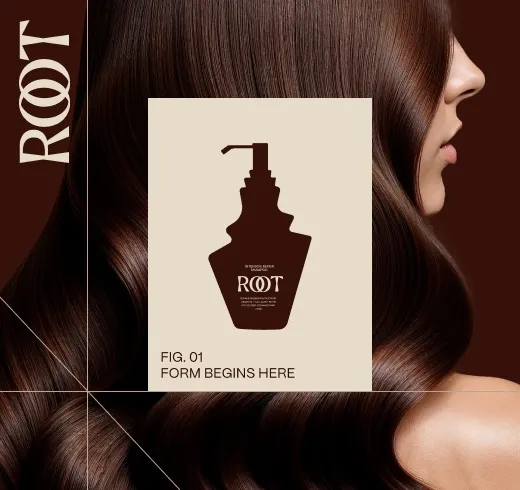
Most product brands need both, for different jobs. 3D rendering suits products that are not made yet, ranges with many variants and images that must match the artwork exactly; photography suits texture, food, people and real use. Either way, Google Merchant Center asks for a main image that shows the exact item being sold, at least 500 x 500 pixels from January 31, 2027.
What each method produces
A product photograph records a physical sample under real light. A 3D render is built from the product’s dimensions, the dieline, the artwork and material references, and the images are produced from a digital model. The difference decides what each one can do after the first image exists.

A photograph is finished when it is taken. Changing the angle, the background or the label means another shoot with another sample. A 3D model can be turned to any angle, placed in any scene and given a new label without a new sample, and the same file can serve a website, an ad and a packaging review.
The model can also become a product feature in its own right. Shopify’s product media guide explains that “3D models can provide your customers with a better sense of the size, scale, and the details of your products”, and that a buyer can view the model “from any angle” on the product page. Shopify converts each uploaded model into both a .GLB and a .USDZ file so it works on Android and iOS devices.
When 3D rendering is the better fit
3D rendering earns its place in 4 situations.
- The product is not manufactured yet. A render lets a brand show the pack before the factory run, which is the subject of our article on Shopify pre-orders before production.
- The range has many variants. 1 model with the artwork swapped per flavour or size gives every variant the same angle and light.
- The label has to read exactly. Small type, barcodes and legal text come straight from the artwork file instead of depending on print and focus.
- The pack is still being reviewed. Our packaging and product design page states: “Where the scope includes 3D visuals, clients review the packaging in 3D before anything is printed”.
For ranges there is a recorded example. For Glowie, a skincare brand with its store on Shopify, the models were built once and used on the site and in content, and the case study gives the reason: building them once “is what keeps the product looking identical wherever a buyer meets it”.
When photography is the better fit
Photography is the stronger choice when the buyer is judging a real material rather than a pack. Food on a plate, coffee in a cup, a cream on skin, the weave of a fabric and the pour of a drink all carry detail that buyers read as proof, and a camera captures it from the object itself.
People are the second case. Hands opening a box, a product in a real kitchen or a bathroom, a founder in the workshop: images of real use tell a buyer the product exists and is used, which helps a new brand that has no reviews yet. The MUUM website case describes this choice in its own terms, with “photography of real parent and baby moments rather than stock imagery”.
Photography also needs the finished product, and that is its main constraint. Every new variant, new label or new pack size means another sample and another session, and keeping the light and angle identical across sessions months apart takes a written shot list.
Accuracy rules for product images
The method matters less to the platforms than the result. Google’s Merchant Center image requirements say that “your primary image must clearly display the exact item being sold”, and they list what is not allowed: “Don’t submit line art, mockups, or illustrations that don’t depict the physical product.” A photoreal render built from the real dimensions and artwork is judged by the same test as a photograph: does it show the exact item.
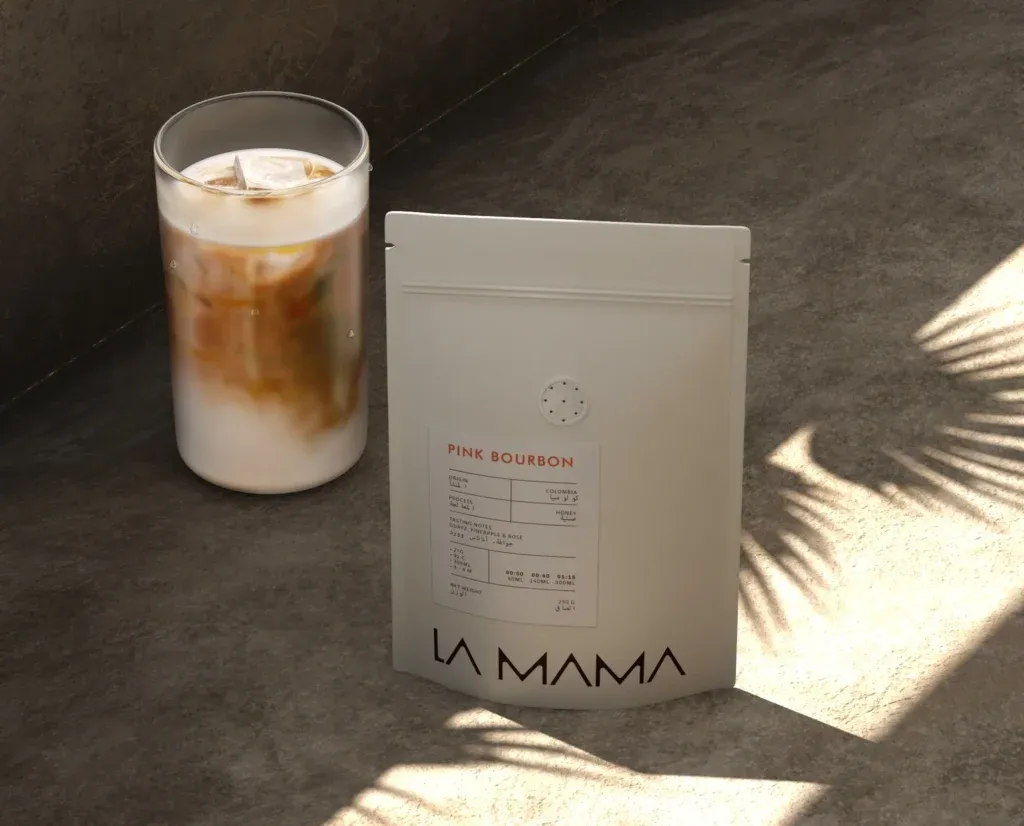
Variants follow the same rule. Merchant Center asks for “a distinct, dedicated image for every individual variant”, one that “accurately reflects the exact color, pattern, finish, and material.” A render of the matte pouch must not show a gloss finish, and one image cannot stand in for 6 flavours.
Images made with generative AI are a separate category. Merchant Center requires them to carry metadata showing they were AI-generated, such as the IPTC DigitalSourceType tag, and asks sellers not to remove it. A 3D render made from the product’s own files is a different process, but the accuracy test above applies to both.
In the UK, advertising images also fall under the CAP Code, whose first rule is: “Marketing communications must not materially mislead or be likely to do so.” A render that makes a jar look larger or a finish richer than the real product is the kind of image that rule is about.
| Job | Product photography | 3D rendering |
|---|---|---|
| Product not manufactured yet | Needs a pre-production sample | Built from dimensions, dieline and artwork |
| Range with many variants | 1 sample and session per new variant | 1 model, artwork swapped per variant |
| Label, small type and barcode | Depends on print, light and focus | Taken from the artwork file |
| Texture of the contents | Recorded from the real material | Needs close references to look real |
| People and real use | Real hands and real settings | Usually photographed instead |
| Interactive view on a Shopify store | Not available | 3D model, served as .GLB and .USDZ |
| Main image on Google Shopping | Must show the exact item | Must show the exact item |
Combining the 2 in one image set
Merchant Center’s own structure shows how a mixed set fits together. The main image goes in the image_link attribute, “alternative angles or detailed shots” go in additional_image_link, and “an in-context or lifestyle representation of the product” goes in lifestyle_image_link. A brand can fill the first 2 with renders of the pack and the third with photographs of the product in use.
A mixed set only works if the images agree with each other. 3 things are fixed before either the render or the shoot starts:
- The colour reference, taken from the artwork rather than from a screen.
- The light direction and the shadow softness, so a render and a photograph placed side by side look like one session.
- The background, the crop and the product’s size in the frame.
Our website and digital design page describes the same discipline for store images: “Product photography is planned against the pack artwork. The listing is built from those values, so the image on the listing and the object in the box carry the same weight of color.” A set planned this way can add a 7th flavour as a render and a new lifestyle photograph a year later without looking patched.
Formats and sizes to agree before work starts
The delivery format is agreed at the brief, because changing it after the images are made means producing them again.
For Google Shopping, Merchant Center recommends images of “around 1500×1500 pixels or above” and accepts no image larger than 64 megapixels; it also asks for no borders, watermarks or promotional overlays on product images. For a Shopify store, product images can be up to 5000 x 5000 px or 25 megapixels and must be under 20 MB, with 2048 x 2048 px suggested for square images; the rest of the store’s launch list is in our article on what a Shopify website needs before launch.
3D models and video have their own limits on Shopify. A model larger than 15 MB is optimised automatically when it is uploaded, and product videos can be up to 4K (4096 x 2160 px) in .mp4, .mov or .webm. The theme has to support 3D models and video before either appears on a product page.
A practical brief names 4 items: the image ratio, the pixel size of the master files, the background colour and the file formats for each channel. The same master can then be cut down for every listing instead of being reshot or re-rendered for each.
How MarkaWorks works with 3D visuals
MarkaWorks is a branding agency for product brands. On our services page, Packaging and Product Design includes product mockups and 3D visualisation, and our packaging page explains where it sits in a project: when the scope includes 3D visuals, clients review the packaging in 3D before anything is printed, and the files we hand over are print-ready.
Because the 3D visuals and the print files come out of the same project, the render and the printed pack can carry the same label, colour and type. For Glowie, the 3D models we made were used “as interactive elements on the site, and as source material for visual content across digital platforms.”
When a brand works with a photographer, our part is the material the shoot is planned from. Our packaging page lists “the asset set for product pages and shelf photography” among the files a project can hand over when it is in the brief.
Recent work with product scenes is on our Rauph, La Mama and MUUM case pages. To plan an image set for a launch or a range, start from our contact page.
Questions brand owners ask about product photography and 3D rendering
Can a 3D render be the main image on Google Shopping?
Merchant Center asks for a main image that clearly displays the exact item being sold, and it rejects mockups or illustrations that do not depict the physical product. A photoreal render of the real product is judged against that test, so check it against the current requirements before submitting.
Do we need a physical sample to start 3D rendering?
Not to start. A render is built from the dimensions, the dieline, the artwork and material references. A sample is still useful to check the finish and colour before the images are final.
Is a 3D render the same as an AI-generated image?
No. A render is made from the product’s own files. Merchant Center has a separate rule for images made with generative AI: they must carry metadata, such as the IPTC DigitalSourceType tag, showing they were AI-generated.
Can one 3D model serve the website, ads and the packaging review?
Yes, when it is built from the final artwork. For Glowie, the models were used on the Shopify site and as source material for content, and in packaging projects the same visuals let clients review the pack before printing.
What should a photographer receive from the design team?
The artwork files, the colour references, the image ratio and size, and a shot list for each product page and listing. With those, the photographs match the renders and the printed pack.
What each method produces, when a render is the better fit and when a photograph is, the accuracy rules Google and UK advertising rules apply to product images, and how to plan one image set from both.

More brands we brought to life: