Updated November 2026
Brand Positioning
Brand positioning settles who a product brand is for, what it stands against and the central idea its identity is built on. It is the first stage of the MarkaWorks brand strategy work, and in each of the 6 cases on this page, all published since November 2025, the position was set against a habit of the product’s own category.
We hand the position over in writing, as a differentiation frame the client can check the design against. For ROOT it became “Depth Over Surface” and shaped the wordmark and the pack forms; for Redefyned it became “Wear Your Standards” and moved the palette away from the high-energy colors of activewear.
Outputs of a positioning stage
- A market and competitor analysis
- A written differentiation frame
- Attributes that guide the design
- A central idea for the identity
Category habits and the chosen positions
Each tile below sets a habit of the brand’s category next to the position we set for the brand instead, for six product brands from hair care to coffee. Both lines are taken from the brand’s own case page.

- Category habit
- Hair care dominated by clinical formulas, botanical clichés and polished beauty conventions
- Position we set
- “Depth Over Surface”: restoration that begins at the source
- Category habit
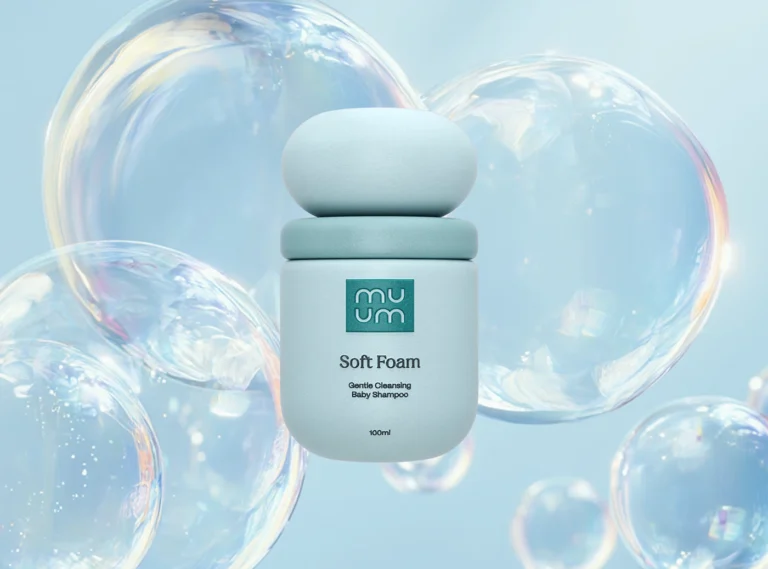
- Traditional baby-care clichés
- Position we set
- Safety, softness and contemporary simplicity
- Category habit
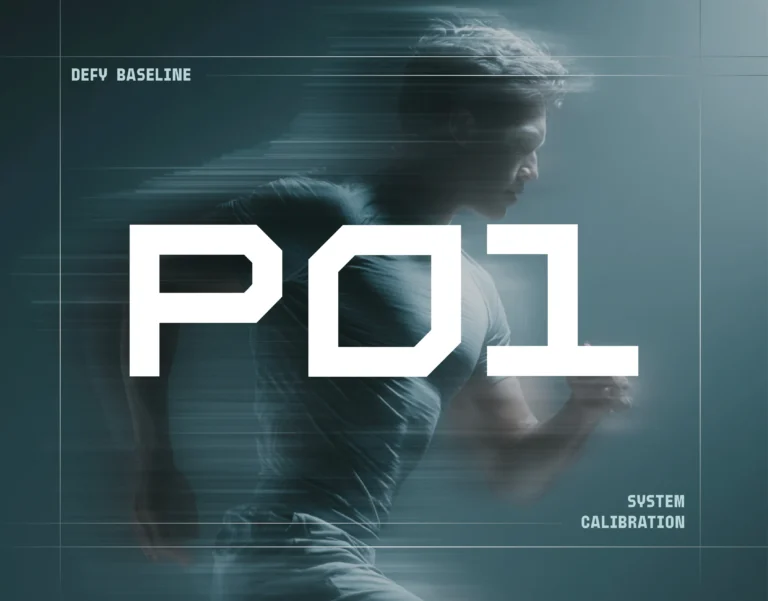
- Aggressive fitness clichés and exaggerated claims
- Position we set
- Precision, restraint and trust: a composed performance companion
- Category habit
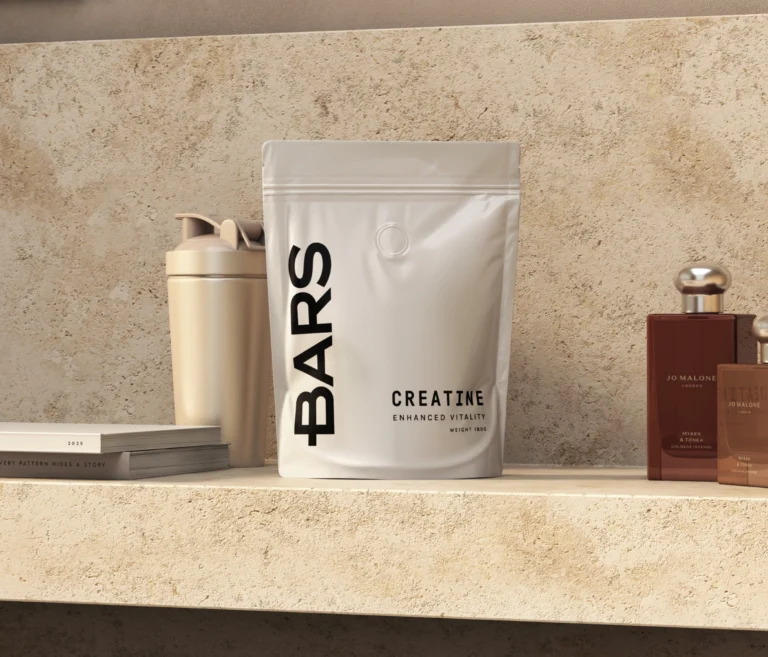
- Nutrition branding that looks like nutrition branding
- Position we set
- Sports science, precision systems and contemporary product design

- Category habit
- Conventional high-energy activewear palettes
- Position we set
- A more considered lifestyle position, under “Wear Your Standards”
- Category habit
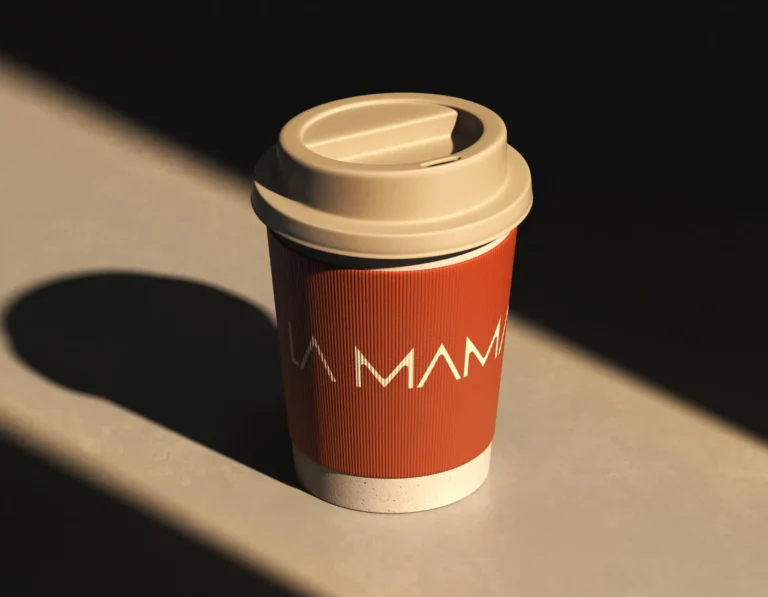
- Coffee as a luxury statement or a lifestyle symbol
- Position we set
- Coffee as part of a daily ritual: familiar, grounding and dependable
From a position to a central idea

A position becomes usable when it can be said in a few words. For ROOT, “Depth Over Surface” became the central idea behind the identity, and the brand frames restoration as something that begins at the source rather than as a cosmetic fix.
The idea then sets the design. The ROOT wordmark is built on two interlocking O forms, a reference to the relationship between root and strand, and the range uses layered, sculptural pack forms instead of conventional cylindrical bottles.
Redefyned works the same way. “Wear Your Standards” became the central idea, and a palette of soft neutrals, muted olive, warm brown and off-white moves the identity away from the high-energy colors of activewear.
Positioning comes before the design
In several of our published projects the position was fixed before any design work started. The Rauph case states it directly: the process began with defining a clear brand positioning, and the brand tone, verbal expression and overall direction were established early and guided all design decisions.

For MUUM the strategy stage named four core attributes: clean, soft, friendly and nature-inspired. Those pillars guided every design decision across the identity, the packaging and the digital presence.
The position itself is set with a market and competitor analysis and handed over in writing, as a differentiation frame the client can check the design against.
How a position shows on the pack

Once the position is written, the identity has to carry it at the moment of choice. For P01 we built the logotype as a custom geometric construction, and a restrained color system of deep petroleum tones, metallic surfaces and soft neutrals reinforces the technical positioning of the brand.
BARS shows the same discipline on a pouch. The format is deliberately minimal, so the wordmark and the product information stand on their own, with no supporting graphics competing for the same glance.
Positioning a new brand
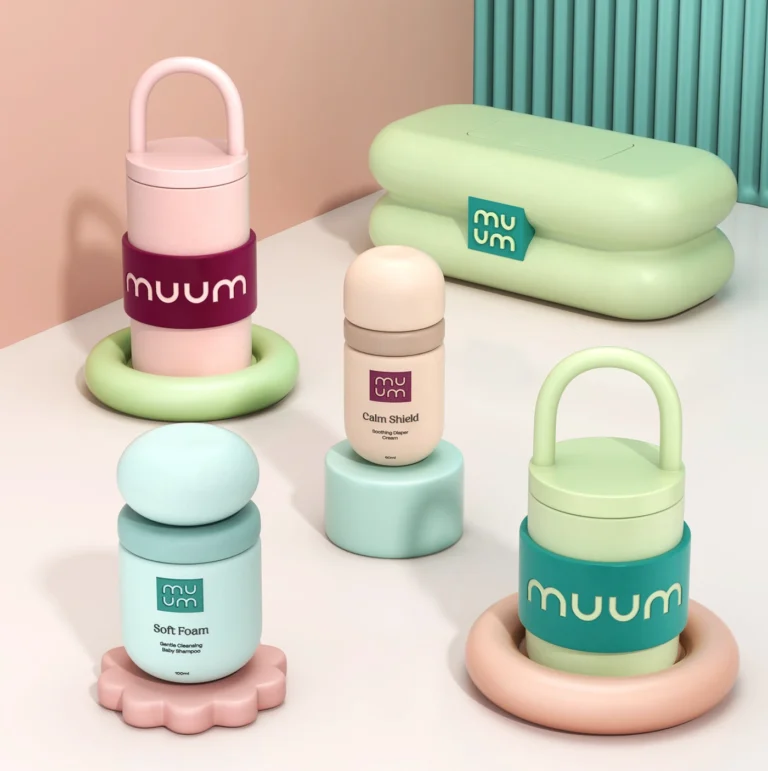
A new brand has no recognition to protect, which leaves the position open. MUUM is a new-generation baby-care brand, and we positioned its visual identity at the intersection of safety, softness and contemporary simplicity, away from traditional baby-care visual habits.
The position then decides the details: rounded, human-centered letterforms, a secondary mark for compact and digital-first applications, and a palette of mint green, pastel pink, soft beige and teal.
Existing brands and a new position
A brand that already sells starts from a different place. Before any design, we list what has to stay recognizable: the cues buyers use to find the product, the pages that already bring visits and the names people search for. A move to a higher price point follows the same rule, and our guide to repositioning a brand for a higher price point covers it step by step.
If your team is writing the position in house, our guide to positioning a product brand sets out the four decisions one at a time.


Frequently asked questions
In our projects the positioning stage delivers a market and competitor analysis, a written differentiation frame, the attributes that guide the design and a central idea for the identity, such as "Depth Over Surface" for ROOT.
It can be. The positioning stage, together with naming and the differentiation frame, can be bought without a new identity, and some clients decide on the identity after it.
Positioning decides what the brand stands for and against; the voice decides how it sounds when it says so. In the Serenique project both were defined in the same stage, after an analysis of consumer needs. Our brand voice and messaging page covers the second part.

Yes. For a brand that already sells, the first step is a written list of what must survive, such as the cues buyers use to find the product and the pages that already bring visits. Everything outside that list is open to change.
The six cases on this page cover hair care, baby care, performance nutrition, activewear and coffee. All of our case studies are grouped by category on the projects page.


A first call about your brand
Tell us in a first call where the brand stands today, or ask for a written proposal; either way we come back with a suggested scope.
Talk to an expert now