Updated October 2026
Packaging and Product Design
Packaging design at MarkaWorks covers packs built to be recognized at a glance and ranges that stay one family as they grow, with branding and packaging design from one team. We build packaging to the identity you already have, or design both together. Among the finished work on this site are 20 published coffee and tea case studies and 25 in nutrition and wellness.
What a packaging project covers
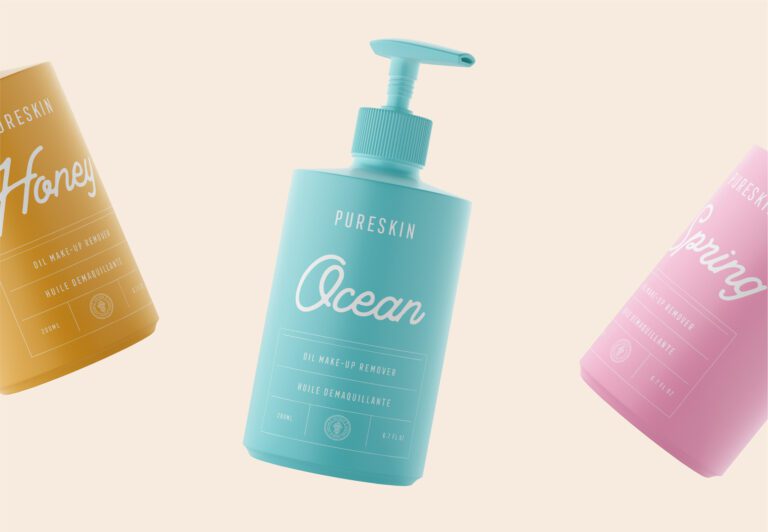
The work starts with the structure, not the graphics. Pack format, material, closure and production method decide what the artwork can do, and choosing artwork first is how a design becomes unbuildable at the quoting stage.
When the identity is part of the brief, the project runs through it next: the mark, the type, the color rules and the way they behave on a curved surface, a foil pouch and a flat carton. The last stage is production artwork, drawn on the production partner’s own dieline.
You can commission packaging by itself, and MarkaWorks works in both directions. A brand that already has an identity gets packaging built to it. Starting from nothing, the identity and the packaging are designed together, which is faster and holds better, because the two decisions are the same decision.
Range systems for products that multiply
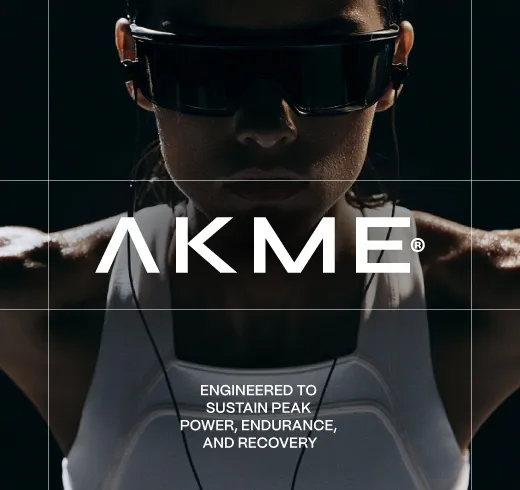
Most packaging work fails at the second product. A single pack can be designed on instinct; a range needs a rule that tells anyone which element changes per variant and which never moves.
Our range systems fix the constant elements first: mark position, type hierarchy, information block, shelf-facing panel. Variant color, flavor name and product icon are the parts allowed to move. Adding a product later then needs no redesign, and the shelf still reads as one family. AKME Performance shows the rule at work: every pack reads brand first, then product name, then supporting information, and fine color accents tell the products apart across tubs, bottles and pouches. When a range keeps adding variants through the year, the same system can be kept current month to month in an ongoing design partnership.
Distinctive packs that are easy to find again
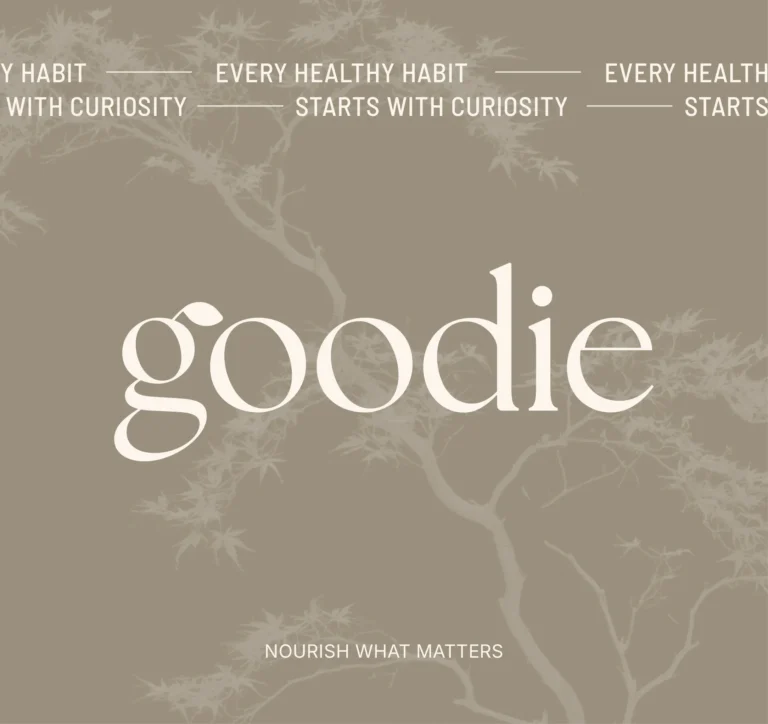
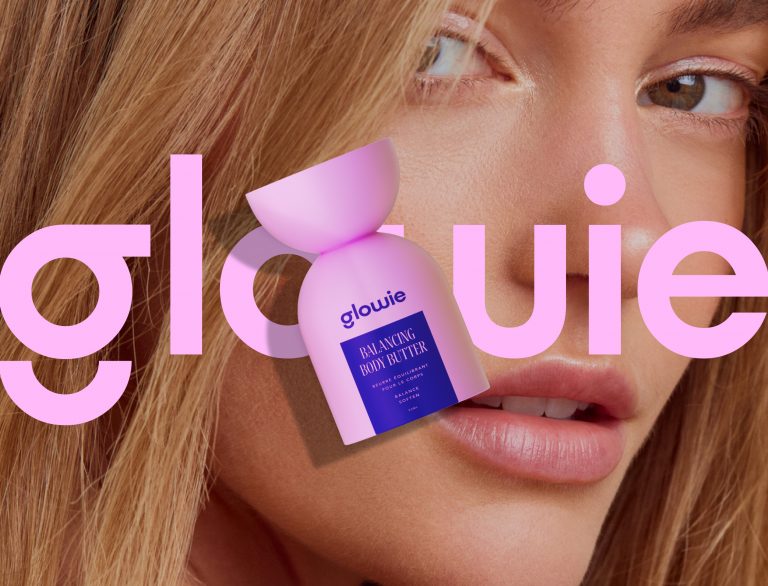
Goodie leaves the usual wellness greens behind for warm neutrals: dark wood, stone, linen and sand. Glowie uses geometric shapes and saturated color, so its products stand apart from the white, cream and pale green packs around them and still read when shrunk to a thumbnail on a listing. A distinctive range is also designed to be found again: someone who bought one product can spot the next by its color.
Categories with their own rules
| Category | Case studies on the category page | What the category forces |
|---|---|---|
| Coffee and tea | 20 | Origin and roast information, valve placement, bag formats that change by grind |
| Cosmetics and skincare | 15 | Ingredient lists at small point sizes, secondary packaging, finish as the premium signal |
| Nutrition and wellness | 25 | Mandatory information panels, range logic across flavors and formats |
| Food and drink | 17 | Category signals a buyer reads in under a second, shelf and chiller conditions |
Regulated categories
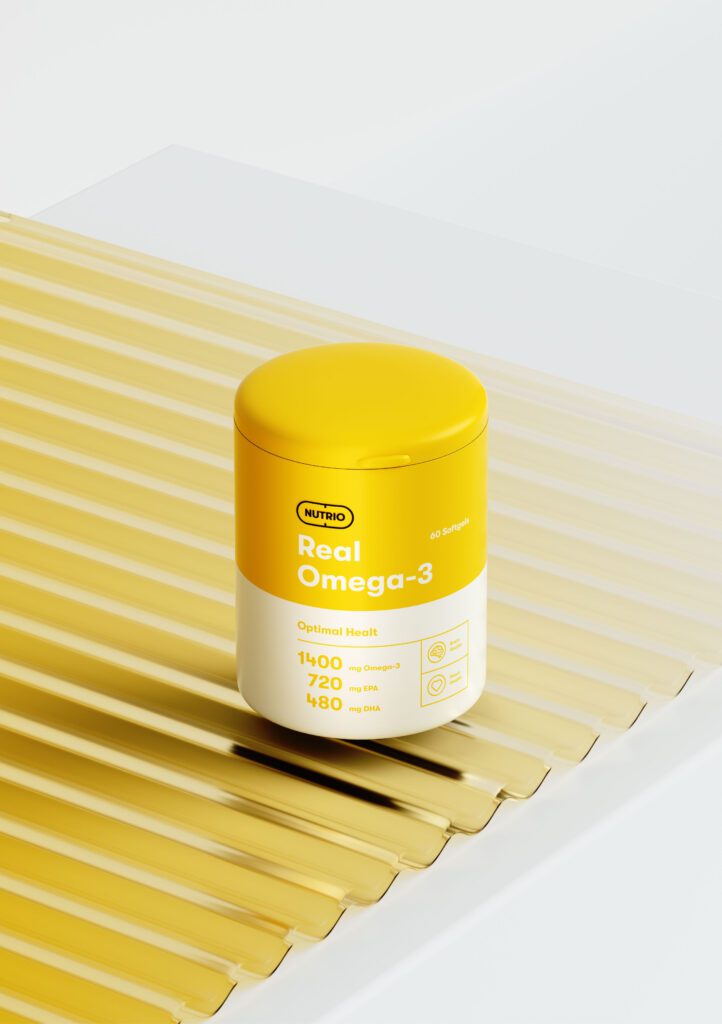
Some categories carry legal layout requirements, and the packaging has to be designed around them from the first sketch. Nutrition products are the clearest case: the mandatory information panel has a minimum type size and a fixed order, and a layout that ignores it has to be redrawn before the product can be sold.
We treat those rules as the grid, so the brand elements are placed around a panel that was never going to move. The detailed version, with the label rules written out, is on our supplement branding page.
Packaging across more than one market
A pack sold in two markets is two legal documents wearing the same design. Mandatory text differs, the sales name differs, and the space a regulator demands is rarely the same size in both. A range designed for one market and adapted later usually loses its consistency along the way.
MarkaWorks plans the label system for the strictest market the product will enter, then relaxes it where a market allows. That order costs nothing at the design stage and saves a redraw at the production stage.
What you receive
The output of a packaging project is a set of files somebody else has to work from, so we specify it.
What a project hands over follows the scope we agree: the pack system and its range logic, production artwork drawn on the production partner’s dieline, and, when they are in the brief, the identity rules and the asset set for product pages and shelf photography. Where a brand already has a guideline document, the packaging rules are written into it instead of shipped as a separate file that drifts within a year.
We hand over the working files as well as the exports. A brand that changes agency later should not have to rebuild its own packaging from a flattened artwork.
How the work runs
A typical project runs in five steps, shaped around what the brand already has.
- Brief and product roadmap.
- Structure and format decisions.
- Identity system, when it is part of the brief.
- Artwork.
- Production files.
Where the scope includes 3D visuals, clients review the packaging in 3D before anything is printed, and the files we hand over are print-ready for the production partner’s own specification.
The schedule is set by the number of products; the number of designs barely moves it. A single pack and a range of four share the same early stages and separate at the artwork stage, which is the part a product roadmap makes predictable. That is the practical difference of a package design agency that also designs identities: the dieline, the production specification and the brand rules are handled by one team, whether the identity is yours or ours.


Frequently asked questions
Yes. We audit the existing identity for print behaviour first, because marks drawn for screen often need a production variant, and then build the pack system to it.
The product list including the ones not launched yet, the pack formats and materials if they are already chosen, the production partner or a shortlist, and the markets the product will be sold in. The product roadmap matters most, because it decides the range rules. We work out anything still open in the first call.
Yes. We prepare production artwork to the production partner's own dieline and specification, so the files arrive in the form their production team expects.
Yes. We build the pack system to the identity you already have and extend the identity only where the pack needs something it does not cover.
Yes, and you can commission either one separately. When we design both, the pack and the product page carry the same claims and the same color, which is harder to keep when two suppliers work apart.


Starting a packaging project
Planning a new pack or a whole range? Book a call or request a proposal, and we will agree the scope and the right way of working with you.
Talk to an expert now