The cost of packaging and branding design for a product brand is set by 6 drivers: the scope of the identity work, the number of products and pack sizes, the number of markets, whether the pack structure is new, extras such as naming, 3D visuals or a website, and costs outside the design fee, such as trade mark registration and printing. This article explains each driver and gives no prices.
Why this article gives no prices
A brief for a product brand can mean a logo for one product or a full identity with packaging for a range in three markets. Both are called branding and packaging design, and a single figure cannot describe both. What can be described is what moves the number, so that is what this article does.
The table below lists the 6 drivers. If you know where your project sits on each line, you can ask for quotes that are comparable, and you can see which decisions are yours to change. The step before this one, deciding which problem you are paying to solve, is covered in whether you need a new logo or better packaging.
| Driver | What it changes | Where it is decided |
|---|---|---|
| 1. Scope of the identity work | Strategy, marks, type, colour, applications, guidelines | In the brief and the contract |
| 2. Products and pack sizes | One artwork and one mandatory block per version; one GTIN per declared net content | In the range plan |
| 3. Markets | Mandatory information, language and minimum type size per market | In the market plan |
| 4. Structure and print | New structure or existing format; setup cost and minimum order | With the printer and the converter |
| 5. Extras | Naming, 3D visuals, website, social and print material | In the scope, line by line |
| 6. Outside costs | Trade mark registration, barcode numbers, printing, testing | Paid to others, planned with the project |
Driver 1: the scope of the identity work
One difference between two projects is what is included, and the MarkaWorks case pages show how wide that range is.
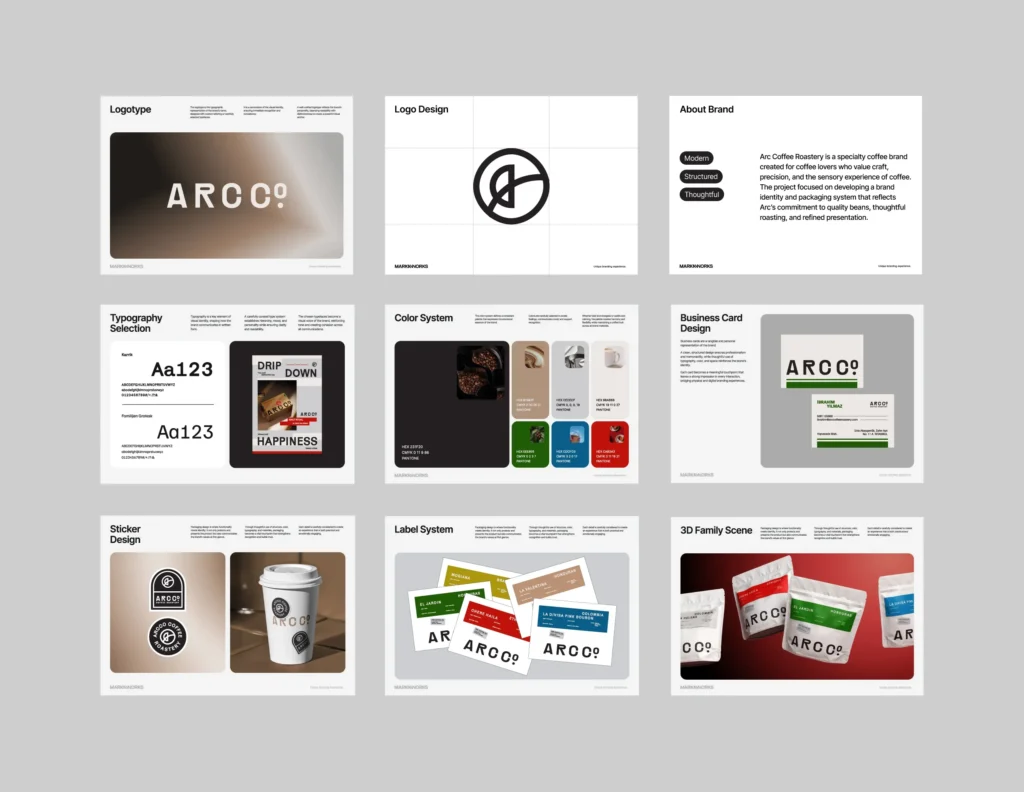
For Sophia’s Tea, a US herbal tea brand, the scope covered logo design, palette, pattern work and label design. For Spout, a coffee and juice house, the scope ran from the logo through packaging to the digital presence. For Amos Fragrances, it was the visual identity, the logo, the art direction and the label and packaging design, built as one system; fragrance branding as one system explains why those parts were planned together.
The identity breaks into parts, listed in what is included in a brand identity project: the strategic frame, the mark and its variants, type and colour, applications and the guidelines document. Each one you add or remove changes the work.
Driver 2: the number of products and pack sizes
Every product and every pack size is a separate piece of artwork. Each one carries its own mandatory information: Article 9 of Regulation 1169/2011 lists 12 particulars for prepacked food, and they have to be right on every version.
Pack sizes count separately from flavours. Rule 3 of the GS1 GTIN Management Standard says any change to the declared net content printed on the pack requires a new GTIN, so a 250 g and a 500 g bag are two items with two barcodes and two files. For a first listing, see selling to retailers for the first time.
The system decides what each new version costs. For Planty, one of the strategy pillars was an identity that works across flavours, packaging SKUs, retail shelves and future product extensions. Where the structure is fixed and one element changes per product, a new flavour is mainly a change to that element, and the cost of the next product depends on how well the first one was built.
Driver 3: the number of markets
Each market can change the back of the pack. The mandatory information, its language and the minimum type size are set market by market, and Article 13 of Regulation 1169/2011 alone sets a minimum x-height of 1,2 mm, or 0,9 mm on packs whose largest surface is under 80 cm². A small pack sold in two markets may need two layouts rather than one.
The detail is in what changes on the label when you enter a second market. For the cost, the question to settle early is whether one pack has to carry every market, or each market gets its own version.
The name has a market cost too. The GOV.UK guide to registering a trade mark says a UK registration only protects your brand in the UK and the Isle of Man, and that there are different processes for registering abroad.
Driver 4: the pack structure and the print method
Designing artwork for an existing pack format and developing a new structure, closure or custom shape are different pieces of work, and the second adds steps before the artwork can be final.
The print method changes the cost on the production side. Each process has a setup cost, and that cost sets your minimum order, so the same artwork can cost differently per unit at different quantities; which printing method suits how many units explains how. The same article notes that if your range is still moving, tooling you cannot amortise is the expensive choice.
The category matters as well. The format decisions for those three categories are in choosing a coffee bag, choosing packaging for loose leaf tea and protein bar packaging design.
Driver 5: extras that can be in or out of scope
Several pieces of work sit next to the identity and the packaging and can be included or left out. Each of them appears on a real MarkaWorks project:
- Naming: on YU, the work ran from naming through art direction.
- 3D visuals: on Roadster Coffee, 3D renders let the packs be seen in realistic settings before anything went to production.
- A website: on Roadster Coffee the work also included an e-commerce build, and on Chocolate Dorado the website uses the same visual language as the wrapper.
- Social and print material: on Drop Co. Coffee Roasters, the additional deliverables were coffee cup designs, 3D models and social media content.
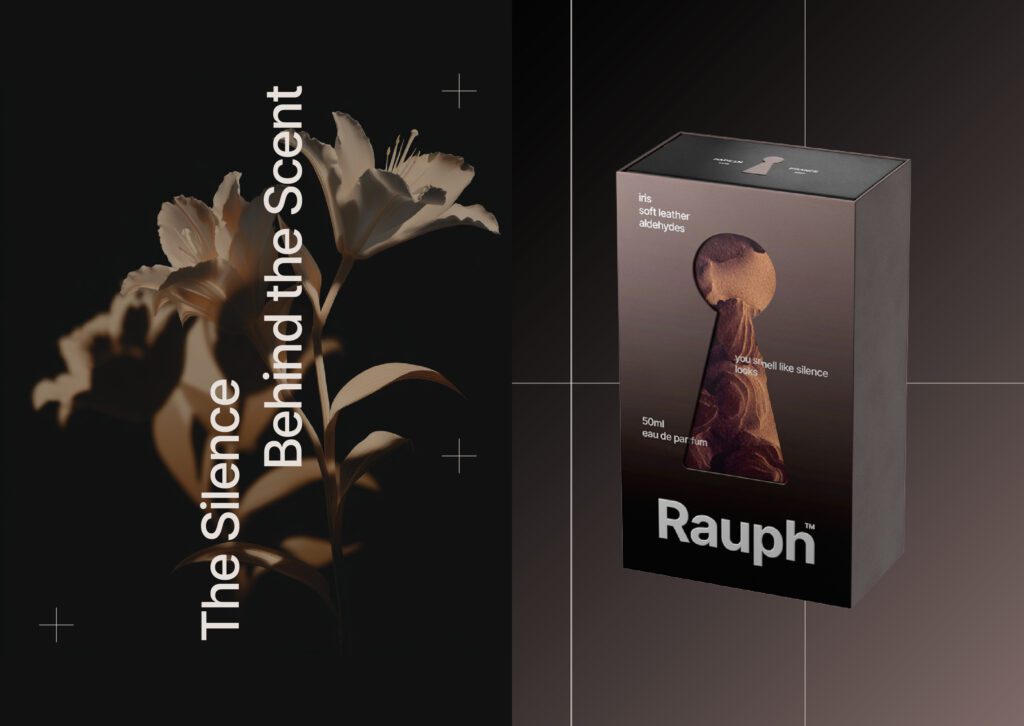
Each of these is a separate line in a scope. Asking for them as separate lines makes two quotes easier to compare.
Costs that sit outside the design fee
Some costs belong to the project but not to the designer.
- Trade mark registration is paid to the Intellectual Property Office. GOV.UK says the fee will “usually cost more depending on your circumstances, for example how many types of goods or services you want to protect your brand in”.
- Barcode numbers come from GS1, and as Driver 2 shows, each pack size needs its own.
- Printing and tooling are paid to the printer, and depend on the method and the quantity.
- Testing is a separate choice. Tests you can run without a research budget are described in how to test packaging before launch.
Ask whether a quote includes any of these. If it does not, they still have to be planned.
How to ask for a quote you can compare
Two quotes can only be compared when they describe the same work. Before you ask, write down:
1. The products and pack sizes, now and in the next year. 2. The markets the packs will be sold in. 3. Whether the pack structures exist or have to be developed. 4. The scope you want, line by line, including the extras in Driver 5. 5. What already exists and has to be kept, such as a logo or a name. 6. The date you need to be on shelf.
To turn this list into a full brief, use how to write a branding brief when you sell a physical product; and how long a branding project takes covers the date. When a quote comes back, check that every line of your scope appears in it.
What this article cannot tell you
This article gives no prices, because a price depends on the drivers above. It does not compare agencies, and it does not cover printing or tooling costs in figures. The regulatory points come from UK texts read on 27 October 2026; other markets have their own rules. For a figure, send us the list above.
Questions brand owners ask about design costs
How much does packaging design cost?
We do not give a figure here, because it depends on the scope, the number of products and pack sizes, the markets, the pack structure and the extras. Send us your product list and markets and we can tell you what the work involves.
Does adding a flavour or a pack size change the cost?
Yes. Each one is a separate piece of artwork with its own mandatory information, and under GS1 rules a change in declared net content needs its own GTIN. A fixed system makes each new version a smaller job.
Is trade mark registration part of the design fee?
No. It is paid to the Intellectual Property Office, and GOV.UK says the cost depends on your circumstances, for example how many types of goods or services you want to protect your brand in.
How do I compare two quotes?
Give both agencies the same list: products and sizes, markets, structures, scope line by line, what already exists and the date. Then check that every line of your scope appears in each quote.
Are 3D visuals and a website included in packaging design?
Only if the scope says so. On the MarkaWorks case pages, 3D renders, an e-commerce build and social content appear as separate pieces of work, so ask for each one as its own line.
If you want to know what your project involves, send us your product list, pack sizes and markets through our contact page. Our brand strategy and visual identity and packaging and product design services are scoped from that list.
No price list here. The six things that move the number, and the costs that sit outside the design fee.
More brands we brought to life: